
With my recent move to California, the safety of drinking water has been a topic of conversation in my house. I wanted to share the research I did to choose the right drinking water for our family. In this document, I outlined the contaminants in our tap water and where they come from, the mechanisms of different filtration methods and what they remove and compared household pitcher type filters for their ability to remove heavy metals. We are all aware of the importance of quality drinking water but we often forget that we are served tap water at restaurants, in fountain soda, in most commercial ice cubes and we shower and wash our produce in it. The intention is not to generate fear, just to promote awareness and caution.
San Diego water supply is fed by two sources:
- A small percentage comes from local rainfall
- The majority (85%) comes from treatment facilities fed by the Colorado River aqueduct and the State Water Project, plus some local runoff.
The potential contaminants in this water come from the fact that the river runs through farmland, old mines and industrial sites. These contaminants include pesticides, herbicides, microbes, heavy metals and byproducts of petroleum production including volatile organic chemicals (VOCs) and radioactive contaminants.
Additionally, when high levels of bromide and carbon are present in the water, a chemical reaction occurs with the substances used for disinfection and the byproducts of this reaction are harmful.
Water treatment:
- Ozone or chlorine dioxide to disinfect it.
- Ferric chloride polymer and Potassium Permanganate, which favors coagulation of the sediment.
- The water is then agitated to favor precipitation of the coagulated sediment.
- Treated again with chlorine
- Filtered
- The filtered water is treated with ammonia sodium hydroxide, which form chloramines when in contact with chlorine.
Tap water is therefore a rich source of chemical contaminants that MUST be removed before, consuming, showering in or washing produce in. These contaminants are carcinogenic, create inflammation, damage tissues, mimic hormones, and kill healthy gut bacteria. CA few of the risks of drinking tap water include:
- Disruption of gut flora
- Thyroid problems
- Chronic disease
- Cancer
- Neurological damage
- Endocrine disorders
- Birth defects
- Immune system dysfunction
There are multiple types of filtration and based on my research, the most effective method is the triple threat method: reverse osmosis, activated carbon, ion exchange. This method safely removes all by-products of disinfection, inorganic and organic contaminants, fluoride and most radionucleotides.
It is important to note that RO removes all minerals; even the healthy ones like magnesium are lost. RO water can also be acidic due to removal of bicarbonate. These alkalizing solutes are important in the body and should be replenished in our drinking water. You can find mineral drops in the health food store to add to your RO drinking water. ConcenTrace mineral drops are a great brand. It is important to note that RO does not remove chlorine. RO must be combined with an activated carbon filter in order to eliminate chlorine. Combining the two ensures the removal of radioactive substances, heavy metals, VOCs (RO) and chlorine (carbon).
Filtering your shower water is equally as important as filtering drinking water. Dissolved chlorine vaporizes with hot showers, is inhaled and added directly to the blood stream to wreak havoc on your organs. This can also directly damage delicate lung tissue, causing asthma or chronic bronchitis. In addition, the heat opens your pores allowing your skin to absorb contaminants that dry and age the skin. There are many showerhead filters on the market. Unfortunately, carbon filters do not function efficiently under the high pressure and temperature of the shower. There are a few considerations for showerhead filters and like with drinking water, a combination method is best:
- KDF-55/mineral salt combination (copper and zinc alloy): chelates free chlorine to minerals making it more inert but does not take the chlorine out of the water. Does not remove chloramines.
- Chloragon: a patented filtration method that converts chlorine to chloride. Functions well at high temperatures
- Crystaline quartz: reduces the surface tension of the water, improving softness and lathering power of the water, does not remove contaminants.
- Carbonized coconut shell media: removes VOCs.
- Vitamin C: removes chloramines
The brands offering these methods include:
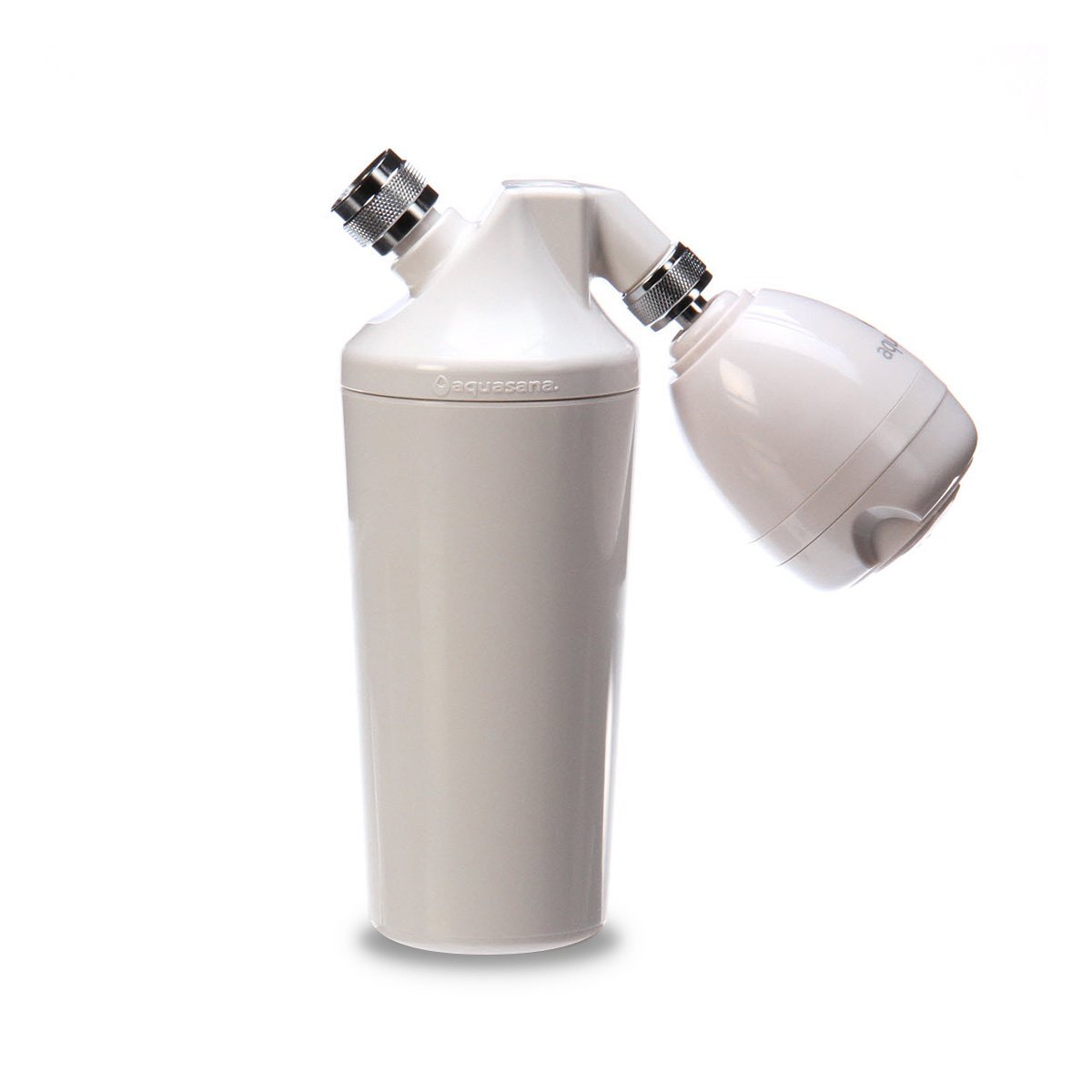
Aquasana: KDF-55 and carbonized coconut shell $59.49
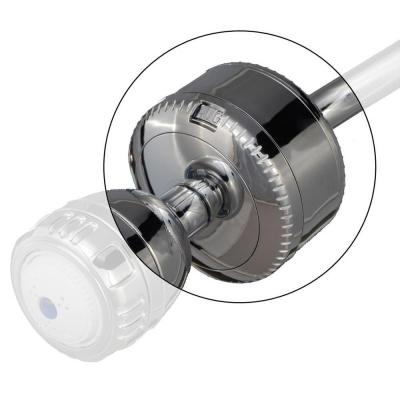
Sprite shower filter chrome: KDF-55 and chloragon $39.99
Sonaki Vita-fresh: Vitamin C $64.00

For homeowners, whole house filters are a bit pricy but worth the consideration.
Consumer guide to pitcher type carbon filters: Natural News conducted a study comparing the effectiveness of different brands of carbon filters to remove heavy metals. The results of this study show that the Zero Water Filter ($47 on Amazon) is the most effective for removing heavy metals. This filter uses an activated carbon microcloth, an ion exchange resin and a second activated carbon membrane. The multi-system approach seems to be the most effective. Beware of Pur, Seychelle, Culligan and Brita filters as they actually ADD aluminum to your water. Second choice is the waterman alkalizer ($75 on Amazon).

