
You may have heard that a low fat diet is protective against heart disease and obesity. These claims only tell half of the story, leaving out a crucial detail: the diet should not be low in total fat, but instead low in inflammatory fat. The single most important protection from these conditions and others is balancing inflammation in the body…and fats control inflammation. So, what distinguishes a healthy fat from an unhealthy fat and how does this relate to diseases like chronic pain, depression, cardiovascular disease, obesity, cancer, arthritis, autoimmunity and much much more?
What do fats do in the body?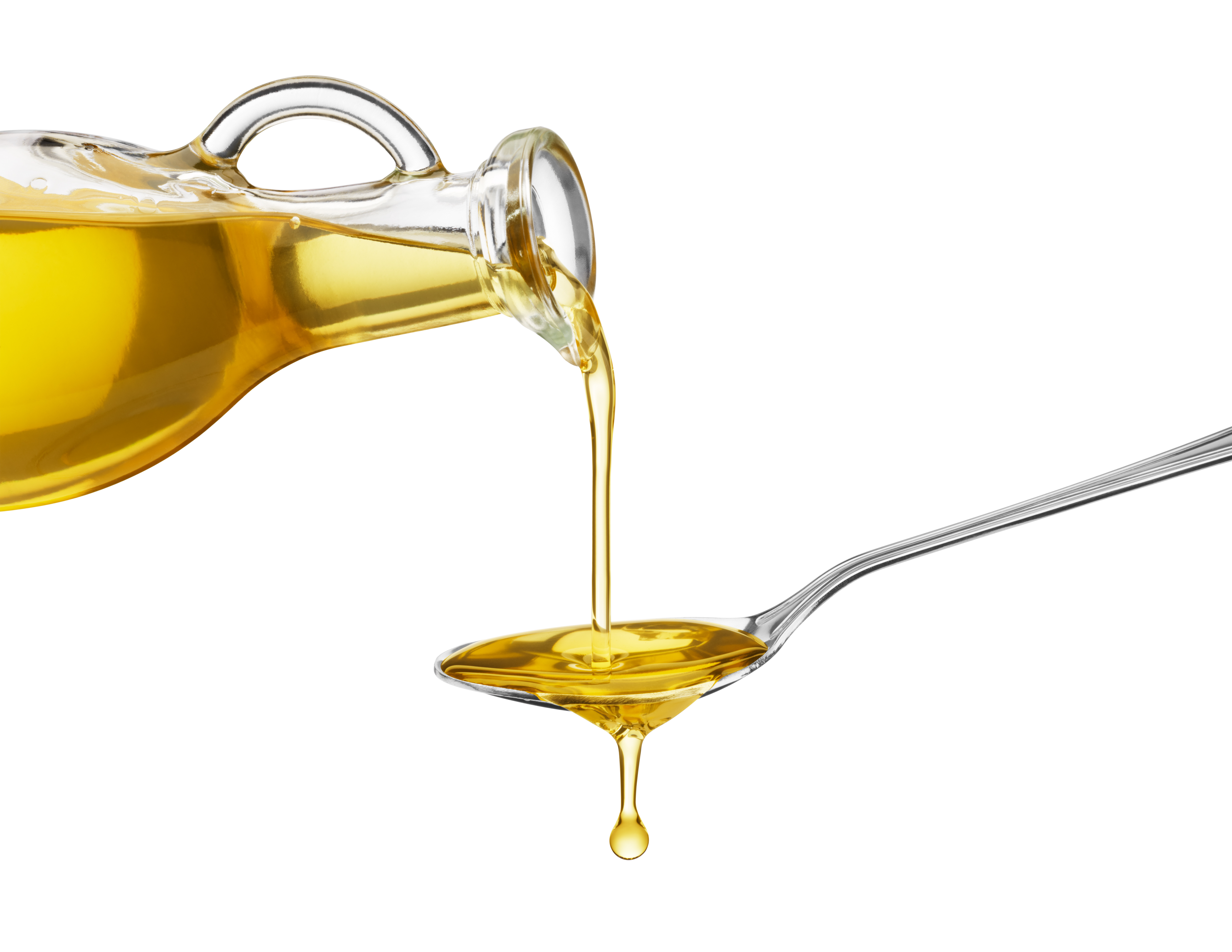
- Fats regulate inflammation: Inflammation is the underlying cause of most chronic disease.
- Fats make up the cell membrane of every cell in the body: the more fluid and less rigid this structure, the better the cell is able to take in nutrients and eliminate wastes.
- Fats insulate nerves: supporting the function of the brain and spinal chord.
Strategies to increase the anti-inflammatory power of your dietary fats:
- Limit intake of fried foods
- Eat 2 servings of wild, cold-water fish per week
- Only consume pasture-raised eggs
- Only consume grass-fed butter and meat
- Limit eating out to once per week (restaurants smoke oils, use conventional fats and non-organic non-grass fed meats mostly)
- Snack on walnuts, pumpkin seeds and almonds over sunflower seeds
- Explore a variety of omega 3 and monounsaturated fat containing oils for making salad dressings
- Use oils in the appropriate amount of time and store away from light and heat to keep them fresh. DO NOT use rancid oils.
- NEVER EVER consume trans fats (hydrogenated oils)…smoking oils produces trans fat as well, so: choose the right oil for the cooking technique and try not to brown food too often.
- Take a multivitamin to ensure you are getting enough Mg, Zn and B6 to be able to produce EPA from pumpkin seeds, almonds, walnuts.
- Consider adding a high quality fish oil supplement or algae oil if you consume a vegan diet.
THREE TYPES OF FAT:
Polyunsaturated fat (omega 3 and omega 6)
Omega 3 Polyunsaturated
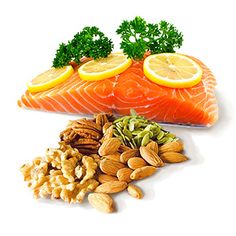
- Fish and fish oil
- Grass-fed butter
- Walnuts and oil
- Almonds and oil
- Pumpkin seeds and oil
Omega 6 Polyunsaturated
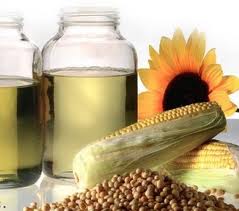
- Canola oil
- Vegetable oil
- Soybean oil
- Grape seed oil
- Safflower oil
- Sunflower seeds and oil
- Flax seed oil (high in omega 6 but also contains some omega 3)
Monounsaturated fat
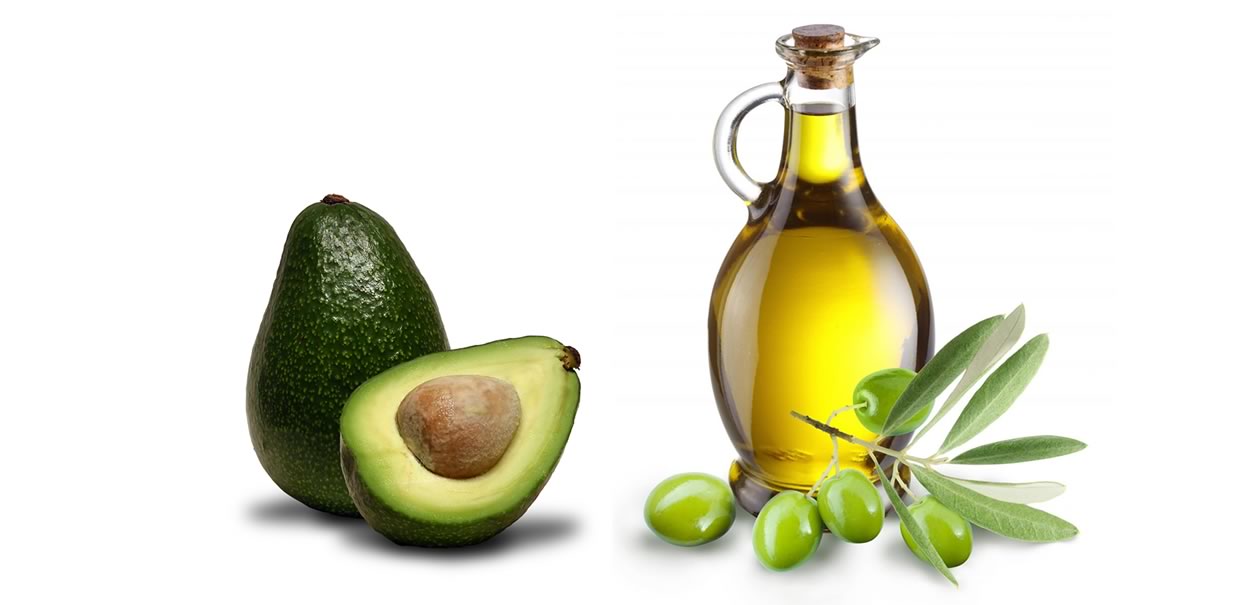
- Avocado and oil
- Hazelnuts and oil
- Sesame seeds and oil
- Macadamia nuts and oil
- High oleic safflower or sunflower oil (still high in omega 6)
- OLIVE OIL
Saturated fat
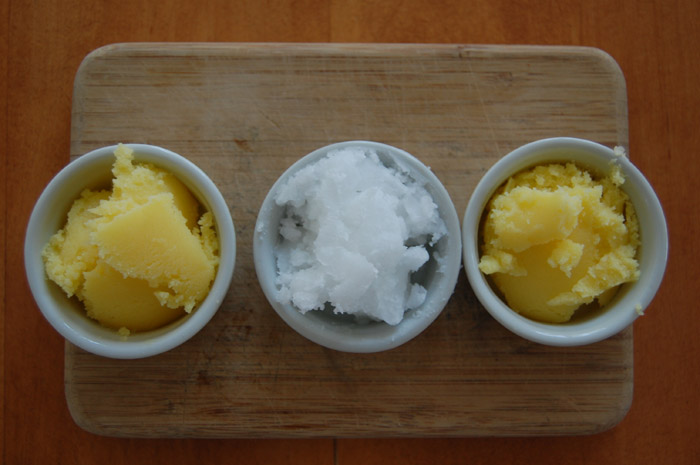
- Coconut oil: choose unrefined or virgin
- Palm and palm kernel oil
- Animal fats (lard, butter, chicken fat, duck fat, ghee etc.)
Anti-inflammatory fats are richest in:
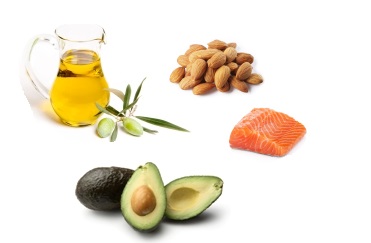
- Omega 3 fats
- Monounsaturated fats
Inflammatory fats to be used in moderation (1.5 servings per day or less):
- Omega 6 fats
- Saturated fats
Poisonous fats to be avoided 100%:

- Hydrogenated oils
- Smoked oils
- Rancid oils (old, exposed to light for a long time)
- Canola oil, vegetable oil
- Conventional animal fats (non-organic butter, lard, bacon grease)
A note about olive oil:
- Extra-virgin: the first pressing of the olives
- Unfiltered: contains particles of olive flesh
- Light: refined (chemically treated)
***The best type of oil is EXPELLER-PRESSED; these oils are extracted with physical pressing and not chemical treatment, often cloudy. Even better is COLD-pressed, which means it is not heated during processing.
***The worst type of oil is REFINED; these oils are extracted with chemical solvents producing a clear oil.
Storing oils: 6 months to 1 year, out of the light, in a cool place
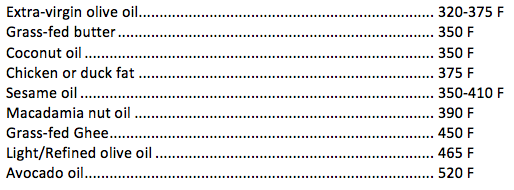
Cooking oils: you can choose extra-virgin olive oil for most cooking techniques. For frying, choose either a light olive oil or avocado oil.
A personalized anti-inflammatory diet prescription is an essential component of any naturopathic treatment plan. We are what we eat and this is certainly true for the types of fat we consume. Dietary fats become the structure of our cell membranes, the coating of our nerves and the secretions from our sebaceous glands. We get to create the body we envision for ourselves and WOW is that empowering! Anti-inflammatory fats extinguish the inflammatory cascades that cause pain and tissue damage to prevent and reverse chronic disease. But fats are not the only piece of the puzzle…stay tuned for more on the anti-inflammatory diet and how it can help you heal.
 Emerge Natural Medicine